Tag Archives: Symposium

Analy­sis of the Mech­a­nism of Elec­tro­chem­i­cal Oxy­gen Reduc­tion and Devel­op­ment of Ag– and Pt-alloy Cat­a­lysts for Low Tem­per­a­ture Fuel Cells

2014 Spring Symposium

 
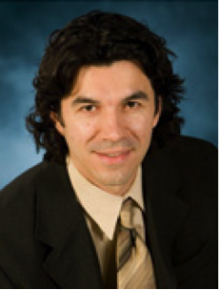
Suljo Lin­ic

 
Abstract — The oxy­gen reduc­tion reac­tion (ORR) is the major source of over­po­ten­tial loss in low-tem­per­a­ture fuel cells. Expen­sive, Pt-based mate­ri­als have been found to be the most effec­tive cat­a­lysts, but explo­ration of alter­na­tives has been ham­pered by sta­bil­i­ty con­straints at the typ­i­cal oper­at­ing con­di­tions of low pH and high poten­tial.

I will dis­cuss how we stud­ied ele­men­tary mech­a­nism of ORR on var­i­ous met­al elec­trodes using kinet­ic and micro-kinet­ic analy­sis of reac­tion path­ways and quan­tum chem­i­cal cal­cu­la­tions. These stud­ies allowed us to iden­ti­fy the ele­men­tary steps and mol­e­c­u­lar descrip­tors that gov­ern the rate of ORR. Using these per­for­mance descrip­tors we have been able to iden­ti­fy fam­i­lies of Pt and Ag-based alloys that exhib­it supe­ri­or ORR per­for­mance is acid and base respec­tive­ly.

We have syn­the­sized these alloys to demon­strate the supe­ri­or ORR activ­i­ty with rotat­ing disk elec­trode exper­i­ments. We have also per­formed thor­ough struc­tur­al char­ac­ter­i­za­tion of the bulk and sur­face prop­er­ties with a com­bi­na­tion of cyclic voltam­me­try, x-ray dif­frac­tion, and elec­tron microscopy with spa­tial­ly resolved ener­gy-dis­per­sive x-ray spec­troscopy and elec­tron ener­gy loss spec­troscopy.
 

Reference

  1. Holewin­s­ki and Lin­ic. J. Elec­trochem. Soc. 159, (2012).

 
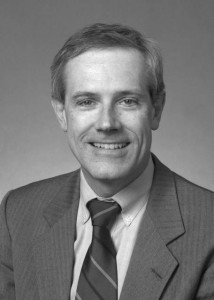
Suljo_LinicBiog­ra­phy — Prof. Lin­ic obtained his PhD degree, spe­cial­iz­ing in sur­face and col­loidal chem­istry and het­ero­ge­neous catal­y­sis, at the Uni­ver­si­ty of Delaware in 2003 under the super­vi­sion of Prof. Mark Barteau after receiv­ing his BS degree in Physics with minors in Math­e­mat­ics and Chem­istry from West Chester Uni­ver­si­ty in West Chester (PA). He was a Max Planck post­doc­tor­al fel­low with Prof. Dr. Matthias Schef­fler at the Fritz Haber Insti­tute of Max Planck Soci­ety in Berlin (Ger­many), work­ing on first prin­ci­ples stud­ies of sur­face chem­istry. He start­ed his inde­pen­dent fac­ul­ty career in 2004 at the Depart­ment of Chem­i­cal Engi­neer­ing at the Uni­ver­si­ty of Michi­gan in Ann Arbor where he is cur­rent­ly the Class of 1983 Fac­ul­ty Schol­ar Pro­fes­sor of chem­i­cal engi­neer­ing.

Prof. Linic’s research has been rec­og­nized through mul­ti­ple awards includ­ing the 2014 ACS (Amer­i­can Chem­i­cal Soci­ety) Catal­y­sis Lec­ture­ship for the Advance­ment of Cat­alyt­ic Sci­ence, award­ed annu­al­ly by the ACS Catal­y­sis jour­nal and Catal­y­sis Sci­ence and Tech­nol­o­gy Divi­sion of ACS, the 2011 Nanoscale Sci­ence and Engi­neer­ing Forum Young Inves­ti­ga­tor Award, award­ed by Amer­i­can Insti­tute of Chem­i­cal Engi­neers, the 2009 ACS Unilever Award award­ed by the Col­loids and Sur­face Sci­ence Divi­sion of ACS, the 2009 Camille Drey­fus Teacher-Schol­ar Award award­ed by the Drey­fus Foun­da­tion, the 2008 DuPont Young Pro­fes­sor Award, and a 2006 NSF Career Award. Prof. Lin­ic has pre­sent­ed more than 100 invit­ed and keynote lec­tures and pub­lished more than 50 peer reviewed arti­cles in lead­ing jour­nals in the fields of gen­er­al sci­ence, Physics, Chem­istry, and Chem­i­cal Engi­neer­ing.

Wel­come to HEL – Bet­ter Chem­istry – Faster

2014 Spring Symposium


HEL is a lead­ing equip­ment provider for cat­alyt­ic process­es in chem­i­cal, petro­chem­i­cal and phar­ma­ceu­ti­cal Indus­try. Stirred and fixed-bed reac­tors for cat­alyt­ic & ther­mal con­ver­sions (hydro­gena­tion reac­tor, poly­mer­iza­tion, hydro­c­rack­ing, bio-fuel syn­the­sis etc.) are sup­plied to a range of indus­tries. Often at ele­vat­ed tem­per­a­ture & pres­sure, HEL spe­cial­izes in research scale, mul­ti-reac­tor and high pres­sure reac­tors pro­cess­ing, test­ing, equip­ment and sys­tems. Cus­tom designs to client flow sheets are also sup­plied includ­ing pilot scale process­es.

Life Cycle of Cat­alytic Diesel Emis­sion Con­trol Sys­tems

2014 Spring Symposium

 
Alek­sey Yez­erets, Neal Cur­ri­er, Krish­na Kamasamu­dram, Jun­hui Li, Hong­mei An, Ashok Kumar, Jiny­ong Luo, Saurabh Joshi


Abstract — A diverse spec­trum of high­ly capa­ble diesel cat­alyt­ic emis­sion con­trol sys­tems has emerged in the recent years, in response to strin­gent envi­ron­men­tal reg­u­la­tions in sev­er­al lead­ing world mar­kets. By tak­ing the brunt of the emis­sion reduc­tion, these high­ly effec­tive sys­tems allowed the engines to be designed and tuned for max­i­mum fuel effi­cien­cy and min­i­mum CO2 emis­sions.

Unlike their gaso­line emis­sion con­trol pre­de­ces­sors, diesel sys­tems include mul­ti­ple cat­a­lysts with dis­tinct func­tions, along with a vari­ety of sen­sors and actu­a­tors, thus rep­re­sent­ing ver­i­ta­ble chem­i­cal plants. For exam­ple, the emis­sion con­trol sys­tem com­mer­cial­ized in Cum­mins-pow­ered 2010 heavy-duty diesel vehi­cles includes four dis­tinct cat­alyt­ic devices, a diesel oxi­da­tion cat­a­lyst (DOC), cat­alyzed diesel par­tic­u­late fil­ter (DPF), selec­tive cat­alyt­ic reduc­tion (SCR) cat­a­lyst, and an ammo­nia slip selec­tive oxi­da­tion cat­a­lyst (ASC). The sys­tem fur­ther includes eight sen­sors, and two flu­id injec­tors, along with the respec­tive con­trols and diag­nos­tic algo­rithms. Anoth­er sys­tem, com­mer­cial­ized by Cum­mins in 2007 and 2010 Dodge Ram pick­ups, is based on a NOx adsor­ber cat­a­lyst and rep­re­sents sim­i­lar lev­el of sophis­ti­ca­tion. Under­ly­ing the sys­tem-lev­el com­plex­i­ty is the intri­ca­cy of the indi­vid­ual cat­alyt­ic ele­ments, some of which include mul­ti­ple dis­tinct chem­i­cal func­tions and com­plex topol­o­gy.

Pre­dictably, life­cy­cles of such sys­tems are shaped by the behav­iors of the indi­vid­ual cat­alyt­ic ele­ments and their inter­ac­tions. These often fea­ture a vari­ety of reversible process­es, in response to depo­si­tion and removal of var­i­ous poi­sons and mask­ing agents, reversible chem­i­cal and mor­pho­log­i­cal changes, along with irre­versible degra­da­tion, often referred to as aging.

In this pre­sen­ta­tion, we will review sev­er­al exam­ples of inter­ac­tions between cat­a­lysts in the con­text of the above diesel emis­sion con­trol sys­tems, empha­siz­ing how the recent advances in their prac­ti­cal appli­ca­tion were under­pinned by the devel­op­ments in the broad­er field of het­ero­ge­neous catal­y­sis and reac­tion engi­neer­ing.
 
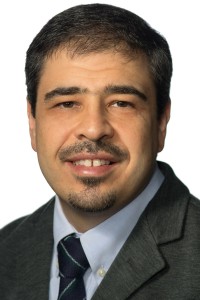
Aleksey_YezeretsBiog­ra­phy — At Cum­mins, the world’s largest inde­pen­dent man­u­fac­tur­er of diesel engines and relat­ed equip­ment, Dr. Yez­erets leads an R&D team respon­si­ble for guid­ance and sup­port of emis­sion con­trol prod­ucts at all stages of their life­cy­cle, and coor­di­nates a port­fo­lio of col­lab­o­ra­tive research pro­grams with Nation­al Labs, uni­ver­si­ties and indus­tri­al part­ners. Dr. Yez­erets serves on the Edi­to­r­i­al Board of the Jour­nal of Applied Catal­y­sis B: Envi­ron­men­tal, has act­ed as a guest edi­tor of three issues of the Catal­y­sis Today Jour­nal, and orga­nized a num­ber of envi­ron­men­tal catal­y­sis ses­sions in indus­tri­al and aca­d­e­m­ic meet­ings. He has received 11 US patents, pub­lished over 50 peer-reviewed arti­cles, as well as pre­sent­ed numer­ous invit­ed, keynote, and award lec­tures. Dr. Yez­erets has a spe­cial appoint­ment to the Grad­u­ate Fac­ul­ty of Chem­i­cal Engi­neer­ing at Pur­due Uni­ver­si­ty. His con­tri­bu­tions to the field of cat­alyt­ic emis­sion con­trol were rec­og­nized by the Her­man Pines Award in Catal­y­sis, R&D 100 Award, nation­al awards by the Amer­i­can Chem­i­cal Soci­ety, Amer­i­can Insti­tute of Chem­i­cal Engi­neers, and Soci­ety Auto­mo­tive Engi­neer­ing, as well as Julius Perr Award for Inno­va­tion by Cum­mins.

Polar Substrates and Nonstoichiometric Surfaces: New Routes to Active and Controllable Heterogeneous Catalysts

2013 Spring Symposium

 
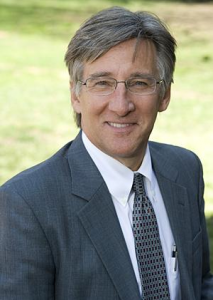
Andrew M. Rappe
Pen­ner­gy Co-Direc­tor
Depart­ment of Chem­istry
Uni­ver­si­ty of Penn­syl­va­nia
Philadel­phia, PA 19104
rappe@​sas.​upenn.​edu

 
Abstract — The quest to design sur­faces with use­ful cat­alyt­ic activ­i­ty has received a dra­mat­ic boost from mod­ern tech­niques of oxide epi­tax­i­al growth and char­ac­ter­i­za­tion. This unprece­dent­ed exper­i­men­tal con­trol of oxide sur­faces opens great oppor­tu­ni­ties to design new cat­a­lysts using the­o­ry and mod­el­ing. In this talk, I will describe a vari­ety of new approach­es for tai­lor­ing sur­face prop­er­ties by con­trol­ling oxide com­po­si­tion and struc­ture, before focus­ing on two spe­cif­ic exam­ples. 1. Polar oxides show struc­tur­al defor­ma­tions that change the struc­ture and com­po­si­tion of sur­faces. 2. Anneal­ing com­plex oxides can lead to sur­face recon­struc­tions with com­po­si­tions dif­fer­ent from any bulk mate­r­i­al. These tech­niques lead to sur­faces with under­co­or­di­nat­ed tran­si­tion met­al cations that should offer nov­el reac­tiv­i­ty.
 

Andrew M. Rappe

Andrew M. Rappe

Biog­ra­phy — Andrew M. Rappe is a Pro­fes­sor of Chem­istry and Pro­fes­sor of Mate­ri­als Sci­ence and Engi­neer­ing at the Uni­ver­si­ty of Penn­syl­va­nia. He received his A. B. in “Chem­istry and Physics” sum­ma cum laude from Har­vard Uni­ver­si­ty in 1986, and his Ph. D. in “Physics and Chem­istry” from MIT in 1992. He was an IBM Post­doc­tor­al Fel­low at UC Berke­ley before start­ing at Penn in 1994.

Andrew received an NSF CAREER award in 1997, an Alfred P. Sloan Research Fel­low­ship in 1998, and a Camille Drey­fus Teacher-Schol­ar Award in 1999. He was named a Fel­low of the Amer­i­can Phys­i­cal Soci­ety in 2006.

Andrew is one of the two found­ing co-direc­tors of Pen­ner­gy: the Penn Cen­ter for Ener­gy Inno­va­tion. He is also one of the found­ing co-direc­tors of the VIPER hon­ors pro­gram at Penn, the Vage­los Inte­grat­ed Pro­gram in Ener­gy Research.

His cur­rent research inter­ests revolve around fer­ro­elec­tric phase tran­si­tions in oxides, sur­face chem­istry and catal­y­sis of com­plex oxides, and the inter­play between the two: a) He helped estab­lish rela­tion­ships between com­po­si­tion and fer­ro­elec­tric phase tran­si­tion tem­per­a­ture in bis­muth-con­tain­ing per­ovskites oxides, b) He pre­dict­ed that chang­ing chem­i­cal vapor com­po­si­tion above a fer­ro­elec­tric oxide could reori­ent its polar­iza­tion, c) He revealed the mech­a­nism of domain wall motion in fer­ro­elec­tric oxides, d) He showed that chang­ing fer­ro­elec­tric polar­iza­tion dra­mat­i­cal­ly changes cat­alyt­ic activ­i­ty of sup­port­ed met­al films and nanopar­ti­cles, and e) He uses com­pu­ta­tion­al mate­ri­als design to invent new fer­ro­elec­tric pho­to­voltaics for solar appli­ca­tions.

Software Tools for the Construction of Detailed Kinetic Models

2013 Spring Symposium

 
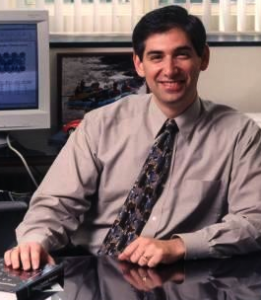
Michael T. Klein
Direc­tor, Uni­ver­si­ty of Delaware Ener­gy Insti­tute
Dan Rich Chair of Ener­gy
Depart­ment of Chem­i­cal Engi­neer­ing
Uni­ver­si­ty of Delaware
Newark, DE 19716
mtk@​udel.​edu

 
Abstract — The world-wide ener­gy trans­porta­tion sec­tor is almost entire­ly depen­dent on petro­le­um, a remark­able resource on which a high­ly sophis­ti­cat­ed refin­ing and vehi­cle infra­struc­ture has grown. Giv­en the cap­i­tal val­ue of the exist­ing world-wide refin­ing and trans­porta­tion infra­struc­tures, and the decadal char­ac­ter­is­tic time for their change, it is like­ly that car­bon-based resources, includ­ing uncon­ven­tion­al feed­stocks that will be upgrad­ed for use with petro­le­um in the exist­ing infra­struc­ture, will be uti­lized for decades to come. Math­e­mat­i­cal mod­els of the chem­istry of their upgrad­ing and con­ver­sion will assist the com­mer­cial real­iza­tion of these pos­si­bil­i­ties.

The con­sid­er­able inter­est in mol­e­cule-based mod­els of these chemistries is moti­vat­ed by the need to pre­dict both upstream and down­stream prop­er­ties. This is because the mol­e­c­u­lar com­po­si­tion is an opti­mal start­ing point for the pre­dic­tion of mix­ture prop­er­ties. The chal­lenge of build­ing these mod­els is due to the stag­ger­ing com­plex­i­ty of the com­plex reac­tion mix­tures. There will often be thou­sands of poten­tial mol­e­c­u­lar and inter­me­di­ate (e.g., ions or rad­i­cals) species. Clear­ly, the use of the com­put­er to not only solve but also for­mu­late the mod­el would be help­ful in that it would allow the mod­el­er to focus on the basic chem­istry, physics and approx­i­ma­tions of the mod­el.

Our recent work has led to the devel­op­ment of an auto­mat­ed capa­bil­i­ty to mod­el devel­op­ment. Sta­tis­ti­cal sim­u­la­tion of feed­stock struc­ture casts the mod­el­ing prob­lem in mol­e­c­u­lar terms. Reac­tiv­i­ty infor­ma­tion is then orga­nized in terms of quan­ti­ta­tive lin­ear free ener­gy rela­tion­ships. The mod­el equa­tions are then built and cod­ed on the com­put­er. Solu­tion of this chem­i­cal reac­tion net­work, in the con­text of the chem­i­cal reac­tor, pro­vides a pre­dic­tion of the mol­e­c­u­lar com­po­si­tion, which is then orga­nized into any desired com­mer­cial­ly rel­e­vant out­puts. Of par­tic­u­lar note is the Attribute Reac­tion Mod­el approach that is use­ful when the num­ber of desired com­po­nents in the mol­e­c­u­lar mix­ture is con­strained by the prac­ti­cal lim­its of hard­ware and soft­ware.

Michael T. Klein

Michael T. Klein

Biog­ra­phy — Michael T. Klein start­ed his career at the Uni­ver­si­ty of Delaware, where he served as the Eliz­a­beth Inez Kel­ley Pro­fes­sor of Chem­i­cal Engi­neer­ing as well as Depart­ment Chair, Direc­tor of the Cen­ter for Cat­alyt­ic Sci­ence and Tech­nol­o­gy, and Asso­ciate Dean. He then moved to Rut­gers, The State Uni­ver­si­ty of New Jer­sey, to become the Dean of Engi­neer­ing and the Board of Gov­er­nors Pro­fes­sor of Chem­i­cal Engi­neer­ing. On July 1, 2010, he returned to the Uni­ver­si­ty of Delaware to assume his present posi­tion as the Direc­tor of the Uni­ver­si­ty of Delaware Ener­gy Insti­tute and the Dan Rich Chair of Ener­gy.

Pro­fes­sor Klein received a BChE from the Uni­ver­si­ty of Delaware in 1977 and a Sc. D. from MIT in 1981, both in Chem­i­cal Engi­neer­ing. The author of over 200 tech­ni­cal papers and the lead author of the text Mol­e­c­u­lar Mod­el­ing in Heavy Hydro­car­bon Con­ver­sions, he is active in research in the area of chem­i­cal reac­tion engi­neer­ing, with spe­cial empha­sis on the kinet­ics of com­plex sys­tems. He is the Edi­tor-in-Chief of the ACS jour­nal Ener­gy and Fuels and has received the R. H. Wil­helm Award in Chem­i­cal Reac­tion Engi­neer­ing from the AIChE, the NSF PYI Award and the ACS Delaware Val­ley Sec­tion Award. In 2011 Pro­fes­sor Klein was ele­vat­ed to the lev­el of Fel­low of the ACS.

Catalysis in a Pocket: The MCM-22 Story

2013 Spring Symposium

2012 Ciapetta Award Lecture

 
Thomas F. Deg­nan, Jr.
Exxon­Mo­bil Research and Engi­neer­ing Com­pa­ny
Annan­dale, NJ 08801
thomas.​f.​degnan@​exxonmobil.​com

 
Abstract — MCM-22 (MTW) is among a unique class of mul­ti­di­men­sion­al pore shape selec­tive zeo­lites where­in the prin­ci­pal locus for catal­y­sis is in 12 mem­ber ring (12-MR) sur­face pock­ets. The zeo­lite con­tains two inde­pen­dent pore sys­tems, both of which are accessed through rings com­prised of ten tetra­he­dral (T) atoms (such as Si, Al, and B). One of these pore sys­tems is defined by two-dimen­sion­al, sinu­soidal chan­nels and the oth­er is defined by large 12-MR supercages with an inner free diam­e­ter of 0.71 nm and a height of 1.82 nm. Vir­tu­al­ly all acid cat­alyzed reac­tions take place in pock­ets formed from the sur­face ter­mi­na­tion of the 1.82 nm high and 0.71 nm diam­e­ter supercages. The zeo­lite has been eval­u­at­ed and found promis­ing for a num­ber of acid-cat­alyzed reac­tions. Most impor­tant­ly, it has been found to be unusu­al­ly selec­tive for aro­mat­ic alky­la­tion in the pres­ence of a wide range of olefins under liq­uid phase con­di­tions. This pre­sen­ta­tion will describe the dis­cov­ery, devel­op­ment and com­mer­cial deploy­ment of this zeo­lite that is used wide­ly in sev­er­al aro­mat­ic alky­la­tion process­es.
 

Thomas F. Degnan

Thomas F. Deg­nan

Biog­ra­phy — Tom received his B.S. in chem­i­cal engi­neer­ing from the Uni­ver­si­ty of Notre Dame, a Ph.D. in the same dis­ci­pline from the Uni­ver­si­ty of Delaware, and an M.B.A. in Finance from the Uni­ver­si­ty of Min­neso­ta. He spent four years in 3M’s Cen­tral Research orga­ni­za­tion in St. Paul, MN before mov­ing to Mobil Research and Devel­op­ment in 1980.

Tom has spent most of his career in explorato­ry process devel­op­ment, catal­y­sis, cat­a­lyst devel­op­ment, and research man­age­ment work­ing for Mobil and now Exxon­Mo­bil Research and Engi­neer­ing Com­pa­ny. He is present­ly Man­ag­er, New Leads Gen­er­a­tion and Break­through Tech­nolo­gies and is locat­ed at ExxonMobil’s Clin­ton, NJ facil­i­ty.

He is a mem­ber of the North Amer­i­can Catal­y­sis Soci­ety, the Amer­i­can Insti­tute of Chem­i­cal Engi­neers, the Amer­i­can Chem­i­cal Soci­ety and the Research and Devel­op­ment Coun­cil of New Jer­sey.

Nonaqueous Strategies to Manipulate the Morphology, Phase, and Photocatalytic Activity of Monodisperse TiO2 Nanocrystals

2013 Spring Symposium

CCP Stu­dent Poster Com­pe­ti­tion Win­ner

 
Thomas R. Gor­don
Depart­ment of Chem­istry
Uni­ver­si­ty of Penn­syl­va­nia
Philadel­phia, PA 19104
thomasrgordon@​gmail.​com

 
Abstract — Con­trol over faceting in nanocrys­tals (NCs) is piv­otal for many appli­ca­tions, but most notably when inves­ti­gat­ing cat­alyt­ic reac­tions which occur on the sur­faces of nanos­truc­tures. Tita­ni­um diox­ide (TiO2) is one of the most stud­ied pho­to­cat­a­lysts, but the depen­dence of its activ­i­ty on mor­phol­o­gy and phase has not yet been sat­is­fac­to­ri­ly inves­ti­gat­ed, due to a lack of appro­pri­ate mod­els. We report the non­aque­ous sur­fac­tant-assist­ed syn­the­sis of high­ly uni­form TiO2 NCs with tai­lorable mor­phol­o­gy in the 1–100 nm size régime. Meth­ods are described to engi­neer the per­cent­age of {001} and {101} facets in anatase and to con­trol the mor­phol­o­gy and phase of TiO2 nanorods. The sur­fac­tants on the sur­face of the NCs, which direct growth of uni­form par­ti­cles, may be removed through a sim­ple lig­and exchange pro­ce­dure, allow­ing for the shape depen­dence of pho­to­cat­alyt­ic hydro­gen evo­lu­tion to be stud­ied using monodis­perse TiO2 NCs pre­pared with­out any high tem­per­a­ture anneal­ing. Such high­ly uni­form nanocrys­tals may act as mod­el sys­tems to inves­ti­gate the influ­ence of faceting on a vari­ety of process­es under oper­at­ing con­di­tions.
 

Thomas R. Gordon

Thomas R. Gor­don

Biog­ra­phy — Dr. Thomas R. Gor­don recent­ly earned his Ph.D in Phys­i­cal Chem­istry from the Uni­ver­si­ty of Penn­syl­va­nia, under the direc­tion of Prof. Christo­pher B. Mur­ray, after defend­ing his the­sis in Feb­ru­ary 2013, enti­tled “Direct­ed Syn­the­sis and Dop­ing of Wide Bandgap Semi­con­duct­ing Oxides.” He received a B.S. in Chem­istry with a minor in Math­e­mat­ics (sum­ma cum laude) from Lebanon Val­ley Col­lege. Dr. Gor­don is the 2006 recip­i­ent of the Dr. Judith Bond Endowed schol­ar­ship win­ner award­ed to out­stand­ing chem­istry major attend­ing a col­lege or uni­ver­si­ty in south­east­ern Penn­syl­va­nia. His research inter­ests include the pre­cise syn­the­sis of nanocrys­talline mate­ri­als and their appli­ca­tions in catal­y­sis, pho­to­catal­y­sis, and plas­mon­ics. In June 2013, he will begin work as a post­doc­tor­al fel­low in the lab­o­ra­to­ry of Prof. Ray­mond Schaak at Penn­syl­va­nia State Uni­ver­si­ty as a mem­ber of the Mate­ri­als Research Sci­ence and Engi­neer­ing Cen­ter (MRSEC). He is the author or co-author of 9 sci­en­tif­ic pub­li­ca­tions.