Author Archives: Edrick Morales

Catalytic Characterization of Hierarchical Meso-/microporous Lamellar Zeolite Catalysts

2013 Spring Symposium

 
Dongx­ia Liu
Depart­ment of Chem­i­cal and Bio­mol­e­c­u­lar Engi­neer­ing
Uni­ver­si­ty of Mary­land
Col­lege Park, MD 20742
liud@​umd.​edu

 
Abstract — The meso/mi­cro-zeo­lites cou­ple the cat­alyt­ic fea­tures of micro­p­ores and the improved access and trans­port con­se­quence of meso­pores in a sin­gle mate­r­i­al, pos­sess­ing the capac­i­ty of pro­cess­ing large mol­e­cules. The syn­the­sis and cat­alyt­ic behav­ior inves­ti­ga­tion of meso/mi­cro-zeo­lites has become the sub­ject of intense research. This talk high­lights the syn­the­sis and cat­alyt­ic char­ac­ter­i­za­tions of three emerg­ing acidic meso-/mi­cro-porous lamel­lar zeo­lite mate­ri­als (self-pil­lared MFI, pil­lared MFI, mul­ti­l­amel­lar MFI), with a focus on their cat­alyt­ic behav­ior inves­ti­ga­tions using ethanol dehy­dra­tion, monomol­e­c­u­lar con­ver­sion of propane and isobu­tane, and alky­la­tion of mesity­lene with ben­zyl alco­hol as probe reac­tions. The rate and appar­ent acti­va­tion ener­gy of the cat­alyt­ic ethanol and small alka­ne probe reac­tions in zeo­lites pos­sess­ing dual micro- and meso-poros­i­ty was com­pa­ra­ble to con­ven­tion­al micro­p­orous MFI mate­ri­als, imply­ing that the cat­alyt­ic behav­ior of Brøn­st­ed acid sites in mate­ri­als with dual meso-/mi­cro-poros­i­ty is pref­er­en­tial­ly dom­i­nat­ed by the micro­p­orous envi­ron­ment pos­si­bly because it pro­vides a bet­ter fit for adsorp­tion of small alka­ne or alco­hol reac­tant mol­e­cules. The appar­ent rate con­stant of the cat­alyt­ic alky­la­tion of mesity­lene with ben­zyl alco­hol in meso/mi­cro-porous zeo­lites was high­er than that of their micro­p­orous ana­logues, reveal­ing the role of the meso­poros­i­ty in space-demand­ing cat­alyt­ic reac­tions. A math­e­mat­i­cal mod­el accounts for the exter­nal reac­tion, inter­nal reac­tion, and dif­fu­sion devel­oped to under­stand the cat­alyt­ic behav­iors of these cat­a­lysts.
 

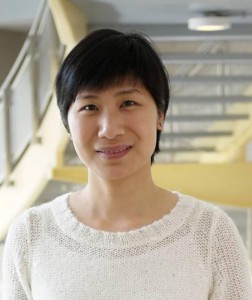
Dongxia Liu

Dongx­ia Liu

Biog­ra­phy — Dongx­ia Liu received her Ph.D. in chem­i­cal engi­neer­ing from Uni­ver­si­ty of Rochester in 2009. Her PhD work focused on Devel­op­ment of Nov­el Elec­trolyte Mem­branes for Inter­me­di­ate Tem­per­a­ture Fuel Cells. After grad­u­a­tion, she did two year of post-doc­tor­ate in Uni­ver­si­ty of Min­neso­ta with Prof. Michael Tsap­at­sis and Prof. Aditya Bhan, focus­ing on the syn­the­sis and char­ac­ter­i­za­tion of nov­el meso-/mi­cro­p­orous zeo­lite cat­a­lysts. In 2012, Dongx­ia Liu joined the depart­ment of chem­i­cal and bio­mol­e­c­u­lar engi­neer­ing at the Uni­ver­si­ty of Mary­land as an assis­tant pro­fes­sor. Her research inter­ests lie in the syn­the­sis, char­ac­ter­i­za­tion and eval­u­a­tion of nov­el hier­ar­chi­cal meso-/mi­cro­p­orous mate­ri­als, which are used as effi­cient cat­a­lysts in dif­fu­sion con­strained reac­tions and as selec­tive mem­branes for water purifi­ca­tion appli­ca­tions.

Catalysis in a Pocket: The MCM-22 Story

2013 Spring Symposium

2012 Ciapetta Award Lecture

 
Thomas F. Deg­nan, Jr.
Exxon­Mo­bil Research and Engi­neer­ing Com­pa­ny
Annan­dale, NJ 08801
thomas.​f.​degnan@​exxonmobil.​com

 
Abstract — MCM-22 (MTW) is among a unique class of mul­ti­di­men­sion­al pore shape selec­tive zeo­lites where­in the prin­ci­pal locus for catal­y­sis is in 12 mem­ber ring (12-MR) sur­face pock­ets. The zeo­lite con­tains two inde­pen­dent pore sys­tems, both of which are accessed through rings com­prised of ten tetra­he­dral (T) atoms (such as Si, Al, and B). One of these pore sys­tems is defined by two-dimen­sion­al, sinu­soidal chan­nels and the oth­er is defined by large 12-MR supercages with an inner free diam­e­ter of 0.71 nm and a height of 1.82 nm. Vir­tu­al­ly all acid cat­alyzed reac­tions take place in pock­ets formed from the sur­face ter­mi­na­tion of the 1.82 nm high and 0.71 nm diam­e­ter supercages. The zeo­lite has been eval­u­at­ed and found promis­ing for a num­ber of acid-cat­alyzed reac­tions. Most impor­tant­ly, it has been found to be unusu­al­ly selec­tive for aro­mat­ic alky­la­tion in the pres­ence of a wide range of olefins under liq­uid phase con­di­tions. This pre­sen­ta­tion will describe the dis­cov­ery, devel­op­ment and com­mer­cial deploy­ment of this zeo­lite that is used wide­ly in sev­er­al aro­mat­ic alky­la­tion process­es.
 

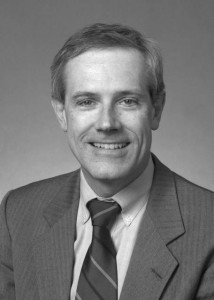
Thomas F. Degnan

Thomas F. Deg­nan

Biog­ra­phy — Tom received his B.S. in chem­i­cal engi­neer­ing from the Uni­ver­si­ty of Notre Dame, a Ph.D. in the same dis­ci­pline from the Uni­ver­si­ty of Delaware, and an M.B.A. in Finance from the Uni­ver­si­ty of Min­neso­ta. He spent four years in 3M’s Cen­tral Research orga­ni­za­tion in St. Paul, MN before mov­ing to Mobil Research and Devel­op­ment in 1980.

Tom has spent most of his career in explorato­ry process devel­op­ment, catal­y­sis, cat­a­lyst devel­op­ment, and research man­age­ment work­ing for Mobil and now Exxon­Mo­bil Research and Engi­neer­ing Com­pa­ny. He is present­ly Man­ag­er, New Leads Gen­er­a­tion and Break­through Tech­nolo­gies and is locat­ed at ExxonMobil’s Clin­ton, NJ facil­i­ty.

He is a mem­ber of the North Amer­i­can Catal­y­sis Soci­ety, the Amer­i­can Insti­tute of Chem­i­cal Engi­neers, the Amer­i­can Chem­i­cal Soci­ety and the Research and Devel­op­ment Coun­cil of New Jer­sey.

Nonaqueous Strategies to Manipulate the Morphology, Phase, and Photocatalytic Activity of Monodisperse TiO2 Nanocrystals

2013 Spring Symposium

CCP Stu­dent Poster Com­pe­ti­tion Win­ner

 
Thomas R. Gor­don
Depart­ment of Chem­istry
Uni­ver­si­ty of Penn­syl­va­nia
Philadel­phia, PA 19104
thomasrgordon@​gmail.​com

 
Abstract — Con­trol over faceting in nanocrys­tals (NCs) is piv­otal for many appli­ca­tions, but most notably when inves­ti­gat­ing cat­alyt­ic reac­tions which occur on the sur­faces of nanos­truc­tures. Tita­ni­um diox­ide (TiO2) is one of the most stud­ied pho­to­cat­a­lysts, but the depen­dence of its activ­i­ty on mor­phol­o­gy and phase has not yet been sat­is­fac­to­ri­ly inves­ti­gat­ed, due to a lack of appro­pri­ate mod­els. We report the non­aque­ous sur­fac­tant-assist­ed syn­the­sis of high­ly uni­form TiO2 NCs with tai­lorable mor­phol­o­gy in the 1–100 nm size régime. Meth­ods are described to engi­neer the per­cent­age of {001} and {101} facets in anatase and to con­trol the mor­phol­o­gy and phase of TiO2 nanorods. The sur­fac­tants on the sur­face of the NCs, which direct growth of uni­form par­ti­cles, may be removed through a sim­ple lig­and exchange pro­ce­dure, allow­ing for the shape depen­dence of pho­to­cat­alyt­ic hydro­gen evo­lu­tion to be stud­ied using monodis­perse TiO2 NCs pre­pared with­out any high tem­per­a­ture anneal­ing. Such high­ly uni­form nanocrys­tals may act as mod­el sys­tems to inves­ti­gate the influ­ence of faceting on a vari­ety of process­es under oper­at­ing con­di­tions.
 

Thomas R. Gordon

Thomas R. Gor­don

Biog­ra­phy — Dr. Thomas R. Gor­don recent­ly earned his Ph.D in Phys­i­cal Chem­istry from the Uni­ver­si­ty of Penn­syl­va­nia, under the direc­tion of Prof. Christo­pher B. Mur­ray, after defend­ing his the­sis in Feb­ru­ary 2013, enti­tled “Direct­ed Syn­the­sis and Dop­ing of Wide Bandgap Semi­con­duct­ing Oxides.” He received a B.S. in Chem­istry with a minor in Math­e­mat­ics (sum­ma cum laude) from Lebanon Val­ley Col­lege. Dr. Gor­don is the 2006 recip­i­ent of the Dr. Judith Bond Endowed schol­ar­ship win­ner award­ed to out­stand­ing chem­istry major attend­ing a col­lege or uni­ver­si­ty in south­east­ern Penn­syl­va­nia. His research inter­ests include the pre­cise syn­the­sis of nanocrys­talline mate­ri­als and their appli­ca­tions in catal­y­sis, pho­to­catal­y­sis, and plas­mon­ics. In June 2013, he will begin work as a post­doc­tor­al fel­low in the lab­o­ra­to­ry of Prof. Ray­mond Schaak at Penn­syl­va­nia State Uni­ver­si­ty as a mem­ber of the Mate­ri­als Research Sci­ence and Engi­neer­ing Cen­ter (MRSEC). He is the author or co-author of 9 sci­en­tif­ic pub­li­ca­tions.

Supported Catalysts: Does Surface Roughness Matter? A Case Study with VOx-SBA-15

2013 Spring Symposium

 
Michael A. Smith
Depart­ment of Chem­i­cal Engi­neer­ing
Vil­lano­va Uni­ver­si­ty
Vil­lano­va, PA 19085
michael.​a.​smith@​villanova.​edu

 
Abstract — SBA-15 is a tem­plate-syn­the­sized meso­porous sil­i­cate that has found exten­sive use as a mod­el sup­port for stud­ies of sup­port­ed catalysis.[1, 2] Thor­ough struc­tur­al analy­ses clear­ly describe the dual micro­p­ore-meso­pore struc­ture with a broad dis­tri­b­u­tion of micro­p­ore sizes.[3] Sil­i­cas such as SBA-15 have long been con­sid­ered a rel­a­tive­ly inert sup­port, quite in con­trast to oth­er oxides such as tita­nia or ceria. We find the effect of sur­face rough­ness of SBA-15 has an under­ap­pre­ci­at­ed effect on cat­a­lyst per­for­mance. Specif­i­cal­ly, sam­ples of VOx-SBA-15 where the sup­port sur­face rough­ness was sys­tem­at­i­cal­ly var­ied were chara­ter­ized using UV-Vis and Raman spec­troscopy, then test­ed in the cat­alyt­ic par­tial oxi­da­tion of methanol to formalde­hyde, and propane to propene. Results show that sup­ports with smoother sur­faces per­mit the devel­op­ment of more poly­mer­ic vana­dia species at the same sur­face den­si­ty load­ing. Such smoother-sur­face cat­a­lysts result in a low­er selec­tiv­i­ty of methanol to for­made­hyde, yet con­verse­ly show a high­er selec­tiv­i­ty of propane to propene. This result is sig­nif­i­cant with respect to our under­stand­ing the role of vana­di­um in in par­tial oxi­da­tion cat­a­lysts, and illus­trates the impor­tance of con­sid­er­ing dif­fer­ences in sup­port sur­face mor­phol­o­gy in ana­lyz­ing cat­alyt­ic behav­ior.
 
Ref­er­ences
[1] V. Dufaud, M. E. Davis, J. Am. Chem. Soc. 125 (2003) 9403–9413.
[2] R. K. Zei­dan, S. J. Hwang, M. E. Davis, Angew. Chem.-Int. Edit. 45 (2006) 6332–6335.
[3] M. Kruk, M. Jaroniec, R. Ryoo, J. M. Kim, Chem. Mat. 11 (1999) 2568–2572.
 

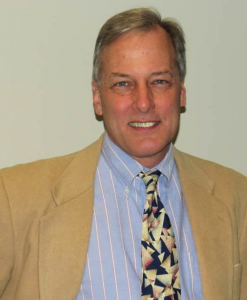
Michael A. Smith

Michael A. Smith

Biog­ra­phy — Pro­fes­sor Michael A. Smith is cur­rent­ly an Assis­tant Pro­fes­sor in the Depart­ment of Chem­i­cal Engi­neer­ing at Vil­lano­va Uni­ver­si­ty. He received his BS in Chem­i­cal Engi­neer­ing from Lafayette Col­lege in 1980, then worked in a vari­ety of assign­ments with the DuPont Com­pa­ny for 17 years. Dr. Smith returned to school to obtain a Mas­ters at Vil­lano­va Uni­ver­si­ty, and obtained his PhD in Chem­i­cal Engi­neer­ing from the Uni­ver­si­ty of Delaware in 2004 work­ing with Prof Raul Lobo. Since he has work as a research sci­en­tist for an SBIR start­up, and has been at Vil­lano­va since 2006, first as a Vis­it­ing Assis­tant Pro­fes­sor, then in a tenure track posi­tion since 2008. Dr Smith’s research inter­ests include the syn­the­sis and char­ac­ter­i­za­tion of nanos­truc­tured mate­ri­als made using col­loidal self-assem­bly and sol-gel tech­niques, and het­ero­ge­neous catal­y­sis with an empha­sis on catal­y­sis by met­al oxides.

A First Principles View of Reactivity Trends in Heterogeneous Catalysis and Electrocatalysis

2013 Spring Symposium

 
Jef­frey Gree­ley
Depart­ment of Chem­i­cal Engi­neer­ing
Pur­due Uni­ver­si­ty
West Lafayette, IN 47907
jgreeley@​purdue.​edu

 
Abstract — Het­ero­ge­neous catal­y­sis and elec­tro­catal­y­sis have, in recent years, con­tributed sig­nif­i­cant­ly to the devel­op­ment of renew­able and ener­gy-effi­cient tech­nolo­gies, rang­ing from the pro­duc­tion of biore­new­able fuels to the effi­cient gen­er­a­tion of elec­tric­i­ty in fuel cells. Com­pu­ta­tion­al tech­niques, based pri­mar­i­ly on Den­si­ty Func­tion­al The­o­ry (DFT) cal­cu­la­tions, have, at the same time, played an increas­ing­ly impor­tant role in sci­en­tif­ic and engi­neer­ing stud­ies of these cat­alyt­ic process­es. These tech­niques have per­mit­ted the elu­ci­da­tion of fun­da­men­tal cat­alyt­ic reac­tion mech­a­nisms and, in some cas­es, have con­tributed to the com­pu­ta­tion­al design of new cat­a­lysts.

In this talk, I will describe some recent devel­op­ments in the use of DFT-based analy­ses to describe trends in the sci­ence and engi­neer­ing of inter­fa­cial catal­y­sis. Draw­ing on exam­ples in both het­ero­ge­neous catal­y­sis and elec­tro­catal­y­sis, I will out­line some sim­ple strate­gies for com­pu­ta­tion­al analy­sis of com­plex cat­alyt­ic reac­tion net­works and will show how, by tak­ing advan­tage of fun­da­men­tal cor­re­la­tions between the ther­mo­dy­nam­ics and kinet­ics of the rel­e­vant react­ing species, it is often pos­si­ble to describe reac­tiv­i­ty trends in terms of sim­ple vol­cano plots. I will demon­strate the appli­ca­tion of these trends-based analy­ses to tra­di­tion­al con­cepts of cat­alyt­ic activ­i­ty and will fur­ther illus­trate how impor­tant ques­tions of cat­a­lyst selec­tiv­i­ty and elec­tro­chem­i­cal cor­ro­sion may fur­ther be addressed. Next, I will describe how it is now becom­ing pos­si­ble, using nov­el exten­sions of bond order con­ser­va­tion the­o­ries, to under­stand and describe trends in com­plex bio­cat­alyt­ic reac­tion net­works that have pre­vi­ous­ly been beyond the reach of elec­tron­ic struc­ture cal­cu­la­tions. I will close with a dis­cus­sion of a nov­el het­ero­ge­neous cat­alyt­ic and elec­tro­cat­alyt­ic mate­ri­als, includ­ing bifunc­tion­al mate­ri­als, to which these tech­niques may be applied in the future.
 

Jeffrey Greeley

Jef­frey Gree­ley

Biog­ra­phy — Dr. Jef­frey Gree­ley obtained his PhD from the Uni­ver­si­ty of Wis­con­sin-Madi­son in 2004. He then postdoc’d with Jens Nørskov at the Tech­ni­cal Uni­ver­si­ty of Den­mark and devel­oped meth­ods to rapid­ly screen tran­si­tion met­al alloys for promis­ing cat­alyt­ic prop­er­ties. From 2007 to 2013, he was a staff sci­en­tist at Argonne’s Cen­ter for Nanoscale Mate­ri­als where he devel­oped a research pro­gram in com­pu­ta­tion­al nanocatal­y­sis and elec­tro­chem­istry. In 2013, he joined the Depart­ment of Chem­i­cal Engi­neer­ing at Pur­due Uni­ver­si­ty as an asso­ciate pro­fes­sor.

New Insights into the Synthesis of Methanol on Copper

2013 Spring Symposium

 
Charles H.F. Peden1, Charles A. Mims2, Yong Yang1,3, Dong­hai Mei1, Charles T. Camp­bell3
1 Insti­tute for Inte­grat­ed Catal­y­sis, Pacif­ic North­west Nation­al Lab­o­ra­to­ry,
P.O. Box 999, Rich­land, WA 99354 USA
2 Depart­ment of Chem­i­cal Engi­neer­ing and Applied Chem­istry
Uni­ver­si­ty of Toron­to, Toron­to ON M5S3E5 Cana­da
3 Depart­ment of Chem­istry Uni­ver­si­ty of Wash­ing­ton, Seat­tle WA 98195 USA

 
Abstract — The mech­a­nism of methanol syn­the­sis on cop­per-based cat­a­lysts has been exten­sive­ly stud­ied and remains a tar­get of research because of the sig­nif­i­cance of this reac­tion in the chem­i­cal indus­try and methanol’s poten­tial as a liq­uid energy/hydrogen car­ri­er. A recent DFT and micro­ki­net­ic mod­el­ing study by Grabow and Mavrikakis [1] con­tains a thor­ough review of the cur­rent state of our under­stand­ing of this reac­tion. These recent mod­els allow for con­ver­sion of both CO (by direct hydro­gena­tion) and CO2 (via for­mate inter­me­di­ates) to methanol. Although trac­er exper­i­ments have shown that CO2 is the pre­ferred reac­tant over CO in H2:CO:CO2 mix­tures under com­mer­cial con­di­tions, the rel­a­tive impor­tance of these chan­nels under var­i­ous con­di­tions is still uncer­tain [1]. Fur­ther­more, the role of water in the reac­tion mech­a­nism has received lit­tle atten­tion, despite long estab­lished effects of water and CO2 in the con­ver­sions of syn­gas [2]. Our recent DFT study has point­ed out that water can have sig­nif­i­cant effects in methanol syn­the­sis and that a sep­a­rate methanol for­ma­tion mech­a­nism via a car­boxyl inter­me­di­ate is ener­get­i­cal­ly pos­si­ble [3]. In this pre­sen­ta­tion, we describe par­tic­u­lar­ly strong effects of water on the con­ver­sion of both CO and CO2 at tem­per­a­tures below those of com­mer­cial prac­tice, and sup­port for an inter­me­di­ate com­mon to both CO and CO2 [4].
 
Ref­er­ences
1. Grabow, LC; Mavrikakis, M ACS Catal. 1 (2011) 365.
2. Para­meswaran, VR; Lee, S; Wen­der; I Fuel Sci­ence Techn. Intl. 7 (1989) 899.
3. Zhao, Y-F; Yang, Y; Mims, CA.; Peden, CHF; Li, J; Mei, D J. Catal. 281 (2011) 199.
4. Yang, Y; Mims, CA.; Mei, DH; Peden, CHF; Camp­bell, CT J. Catal. 298 (2012) 10
 

Charles H.F. Peden

Charles H.F. Peden

Biog­ra­phy — Chuck Peden is Asso­ciate Direc­tor of the Insti­tute for Inte­grat­ed Catal­y­sis at Pacif­ic North­west Nation­al Lab­o­ra­to­ry (PNNL). He is also a Lab­o­ra­to­ry Fel­low, and man­ages and par­tic­i­pates in mul­ti­ple tech­ni­cal projects with­in the Phys­i­cal Sci­ences Divi­sion at PNNL. He joined PNNL in 1992 fol­low­ing a nine-year tenure at San­dia Nation­al Lab­o­ra­to­ries in Albu­querque, New Mex­i­co, as a Senior Mem­ber of the tech­ni­cal Staff in the Inor­gan­ic Mate­ri­als Chem­istry Depart­ment. Peden’s main research inter­ests are in the sur­face and inter­fa­cial chem­istry of inor­gan­ic solids; in par­tic­u­lar, the het­ero­ge­neous cat­alyt­ic chem­istry of met­als and oxides with an empha­sis on reac­tion mech­a­nisms and mate­ri­als structure/function rela­tion­ships. He is best known as a leader in the devel­op­ment of the mech­a­nisms of auto­mo­bile exhaust cat­alyt­ic reac­tions. After grad­u­at­ing with dis­tinc­tion from Cal­i­for­nia State Uni­ver­si­ty, Chico with a B.S. in chem­istry, Peden com­plet­ed his Ph.D. in phys­i­cal chem­istry at the Uni­ver­si­ty of Cal­i­for­nia, San­ta Bar­bara under the direc­tion of Ralph G. Pear­son. He then spent two years as a post­doc­tor­al asso­ciate with D. Wayne Good­man at San­dia Nation­al Lab­o­ra­to­ries in Albu­querque, New Mex­i­co before join­ing the sci­en­tif­ic staff there. Peden has writ­ten or con­tributed to more than 235 peer-reviewed pub­li­ca­tions (H-fac­tor > 40) and 3 issued U.S. patents on top­ics such as auto­mo­bile exhaust catal­y­sis, hydro­car­bon reform­ing on bimetal­lic cat­a­lysts, the struc­ture of hydropro­cess­ing cat­a­lysts, the syn­the­sis and char­ac­ter­i­za­tion of nov­el sup­port­ed sol­id acid cat­a­lysts, and the struc­ture and chem­istry of oxide sur­faces. He is a mem­ber of the Amer­i­can Chem­i­cal Soci­ety, the Amer­i­can Insti­tute of Chem­i­cal Engi­neers, the Soci­ety of Auto­mo­tive Engi­neers, and the North Amer­i­can Catal­y­sis Soci­ety. Peden was elect­ed a Fel­low of the Amer­i­can Vac­u­um Soci­ety in 2000, and the Amer­i­can Asso­ci­a­tion for the Advance­ment of Sci­ence in 2009 and the Amer­i­can Chem­i­cal Soci­ety in 2012. He cur­rent­ly serves as Past-Chair of the ACS Catal­y­sis Sci­ence and Tech­nol­o­gy (CATL) Divi­sion.

Registration Deadline for 2013 Spring Symposium

Dear Col­leagues,
 
The dead­line for advance reg­is­tra­tion for 2013 Catal­y­sis Club of Philadel­phia Spring Sym­po­sium has been extend­ed until Fri­day, May 3rd.

The reg­is­tra­tion for the Sym­po­sium can be con­ve­nient­ly done online.

Below you will find a link to an updat­ed Sym­po­sium announce­ment and reg­is­tra­tion form. The Sym­po­sium is sched­uled to be held on Thurs­day, May 9th at the Dou­ble­Tree Hotel in Wilm­ing­ton, Delaware.

We have a strong pro­gram this year with a num­ber of inter­est­ing talks. We hope to see you at the Sym­po­sium.
 

Download Registration »