Author Archives: Edrick Morales

Herman Pines Award in Catalysis

Spon­sored by UOP and the Catal­y­sis Club of Chica­go
 
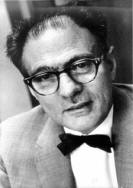
pinesThe Catal­y­sis Club of Chica­go is solic­it­ing nom­i­na­tions for the Her­man Pines Award for out­stand­ing research in the field of catal­y­sis. Her­man Pines was an out­stand­ing research sci­en­tist, and his work rev­o­lu­tion­ized the gen­er­al under­stand­ing of organ­ic chem­istry, par­tic­u­lar­ly the chem­istry of hydro­car­bons inter­act­ing with strong acids. The Award in his hon­or is co-spon­sored by UOP, where Her­man Pines began his indus­tri­al career in 1930 and amassed 145 US patents, and by the Catal­y­sis Club of Chica­go of which Her­man Pines was a found­ing mem­ber.

The Award will be pre­sent­ed at the 2014 Catal­y­sis Club of Chica­go Spring Sym­po­sium and con­sists of a plaque, a cash award of $1,000 and reim­burse­ment for trav­el and lodg­ing as a ple­nary speak­er at the Spring Sym­po­sium.

The nom­i­nee must meet the fol­low­ing cri­te­ria:

  • Great achieve­ments of catal­y­sis research in the past five years.
  • For the year of 2014, the award will be giv­en to an indus­tri­al researcher.
  • Active mem­ber in catal­y­sis com­mu­ni­ty.
  • A res­i­dent of North Amer­i­ca.

Dead­line for nom­i­na­tion is Jan­u­ary 31, 2014. Nom­i­na­tion should describe the spe­cif­ic work for which the nom­i­nee should be rec­og­nized. Com­plete cur­ricu­lum vitae with let­ters of sup­port for the nom­i­nee must be includ­ed in the nom­i­na­tion, togeth­er with the descrip­tion of work. Let­ters of nom­i­na­tion and sup­port­ing doc­u­men­ta­tion must be sent by Jan­u­ary 31, 2014 as a sin­gle PDF doc­u­ment to:
 
Neng Guo
Pres­i­dent – The Catal­y­sis Club of Chica­go (2013–2014)
BP Prod­ucts North Amer­i­ca Inc.
Naperville, IL 60565
neng.​guo@​bp.​com
 
List of past award recip­i­ents of the Her­man Pines Award:

  • 1999 Prof. Harold Kung – North­west­ern Uni­ver­si­ty
  • 2000 Dr. John Mon­nier – East­man Chem­i­cal Com­pa­ny
  • 2001 Prof. Lan­ny Schmidt – Uni­ver­si­ty of Min­neso­ta
  • 2002 Dr. James Brazdil – BP
  • 2003 Prof. James Dumesic – Uni­ver­si­ty of Wis­con­sin
  • 2004 Dr. Alak Bhat­tacharyya – BP
  • 2005 Prof. Israel Wachs – Lehigh Uni­ver­si­ty
  • 2006 Dr. Jeff Miller – BP
  • 2007 Prof. Chun­shan Song – Penn­syl­va­nia State Uni­ver­si­ty
  • 2008 Dr. Alek­sey Yez­erets – Cum­mins Inc.
  • 2009 Prof. Tobin Marks – North­west­ern Uni­ver­si­ty
  • 2010 Dr. James Rekoske – UOP
  • 2011 Prof. Jing­guang Chen – Uni­ver­si­ty of Delaware
  • 2012 Dr. Stu­art Soled — Exxon­Mo­bil
  • 2013 Prof. W. Nicholas Del­gass – Pur­due Uni­ver­si­ty

Thermodynamics and kinetics of elementary reaction steps on late transition metal catalysts, and using them to search for better catalysts

Meeting Program — November 2013

 
Charles T. Camp­bell
Depart­ments of Chem­istry and of Chem­i­cal Engi­neer­ing
Uni­ver­si­ty of Wash­ing­ton
Seat­tle, WA 98195–1700

 
Abstract — A sur­vey of exper­i­men­tal and the­o­ret­i­cal results con­cern­ing the ther­mo­dy­nam­ics and kinet­ics of sur­face chem­i­cal reac­tions of impor­tance in late tran­si­tion met­al catal­y­sis for ener­gy tech­nol­o­gy will be pre­sent­ed. Top­ics include: (1) calori­met­ric mea­sure­ments of the adsorp­tion ener­gies of small mol­e­cules and mol­e­c­u­lar frag­ments on sin­gle crys­tal sur­faces, and their com­par­i­son to DFT results; (2) new mea­sure­ments of the entropies of adsor­bates and the trends they fol­low, and (3) new ways to esti­mate pref­ac­tors in the rate con­stants for ele­men­tary steps in sur­face reac­tions. We will also dis­cuss how to use these togeth­er with DFT cal­cu­la­tions and/or ele­men­tary-step rate mea­sure­ments to build micro­ki­net­ic mod­els for mul­ti-step cat­alyt­ic reac­tions. Final­ly, we will dis­cuss a method for ana­lyz­ing these to quan­ti­fy the extent to which each ele­men­tary step and inter­me­di­ate con­trols the net rate, and describe how one can use this to define the key descrip­tors that can be used for com­pu­ta­tion­al search­es to dis­cov­er bet­ter cat­a­lyst mate­ri­als.
 
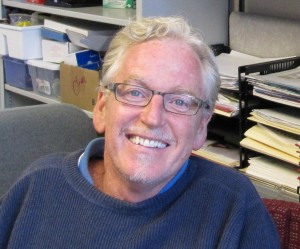
Charles_Campbell2-1024x853Biog­ra­phy — Charles T. Camp­bell is the Rabi­novitch Endowed Chair in Chem­istry at the Uni­ver­si­ty of Wash­ing­ton, where he is also Adjunct Pro­fes­sor of Chem­i­cal Engi­neer­ing and of Physics. He is the author of over 270 pub­li­ca­tions on sur­face chem­istry, catal­y­sis and biosens­ing. He is an elect­ed Fel­low of both the ACS and the AAAS, and Mem­ber of the Wash­ing­ton State Acad­e­my of Sci­ences. He received the Arthur W. Adam­son Award of the ACS and the ACS Award for Col­loid or Sur­face Chem­istry, the Ger­hard Ertl Lec­ture Award, the Robert Bur­well Award/Lectureship of the North Amer­i­can Catal­y­sis Soci­ety, the Ipati­eff Lec­ture­ship at North­west­ern Uni­ver­si­ty and an Alexan­der von Hum­boldt Research Award. He served as Chair, Chair-Elect, Vice-Chair and Trea­sur­er of the Col­loid and Sur­face Chem­istry Divi­sion of the ACS. He served as found­ing Co-Direc­tor and Direc­tor of the Uni­ver­si­ty of Washington’s Cen­ter for Nan­oTech­nol­o­gy, and as Edi­tor-in-Chief of the jour­nal Sur­face Sci­ence for ten years. He is cur­rent­ly Edi­tor-in-Chief of Sur­face Sci­ence Reports, and serves on the Edi­to­r­i­al Boards of the Jour­nal of Phys­i­cal Chem­istry and Catal­y­sis Reviews and the Sci­en­tif­ic Advi­so­ry Board of Catal­y­sis Let­ters and Top­ics in Catal­y­sis. He received his B.S. in Chem­i­cal Engi­neer­ing (1975) and his Ph.D. in Phys­i­cal Chem­istry (1979, under J. M. White) from the Uni­ver­si­ty of Texas at Austin, and then did research in Ger­many under Ger­hard Ertl (2007 Nobel Prize Win­ner) through 1980.

Developing Ceria-Based Catalysts

Meeting Program — October 2013

 
Ray­mond J. Gorte
Depart­ment of Chem­i­cal & Bio­mol­e­c­u­lar Engi­neer­ing
Uni­ver­si­ty of Penn­syl­va­nia
Philadel­phia, PA 19104

 
Abstract — Ceria-sup­port­ed met­al cat­a­lysts are wide­ly used in auto­mo­tive emis­sions con­trol, where ceria pro­vides “Oxy­gen Stor­age Capac­i­tance”. Ceria-sup­port­ed met­als also have poten­tial for a large num­ber of oth­er appli­ca­tions, rang­ing from methane oxi­da­tion to the water-gas-shift reac­tion, due to the enhanced prop­er­ties that ceria imparts. How­ev­er, the activ­i­ties and sta­bil­i­ties depend strong­ly on the struc­ture of the ceria and whether or not it is mixed with a sec­ond oxide. Cat­a­lyst prop­er­ties are also affect­ed by how cat­alyt­ic met­als inter­act with the sup­port.

In this talk, I will first dis­cuss work aimed at under­stand­ing the role that ceria plays in oxy­gen stor­age and demon­strate that the ther­mo­dy­nam­ic redox prop­er­ties of cat­alyt­ic forms of ceria dif­fer from that of bulk ceria. I will then talk about our efforts to max­i­mize the inter­ac­tions between cat­alyt­ic met­als and ceria, as well as pre­vent sin­ter­ing of the met­al par­ti­cles, through the prepa­ra­tion of core-shell cat­a­lysts deposit­ed onto a func­tion­al­ized-alu­mi­na sup­port. These core-shell cat­a­lysts exhib­it excep­tion­al activ­i­ty for methane oxi­da­tion, with impres­sive sta­bil­i­ty at high tem­per­a­tures.
 
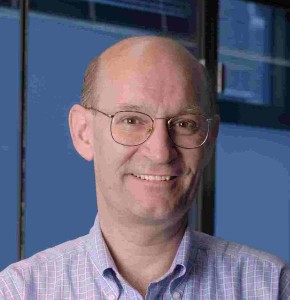
ray_gorteBiog­ra­phy — Ray­mond J. Gorte joined the fac­ul­ty at the Uni­ver­si­ty of Penn­syl­va­nia in 1981 after receiv­ing his PhD in Chem­i­cal Engi­neer­ing from the Uni­ver­si­ty of Min­neso­ta. He is cur­rent­ly the Rus­sell Pearce and Eliz­a­beth Crim­i­an Heuer Pro­fes­sor of Chem­i­cal & Bio­mol­e­c­u­lar Engi­neer­ing, with a sec­ondary appoint­ment in Mate­ri­als Sci­ence & Engi­neer­ing. Since join­ing Penn, Ray has served as Chair­man of Chem­i­cal Engi­neer­ing from 1995 to 2000 and was the Carl V. S. Pat­ter­son Pro­fes­sor of Chem­i­cal Engi­neer­ing from 1996 through 2001. He received the 1997 Par­ra­vano Award of the Michi­gan Catal­y­sis Soci­ety, the 1998 Philadel­phia Catal­y­sis Club Award, the 1999 Paul Emmett Award of the North Amer­i­can Catal­y­sis Soci­ety, the 2001 Penn Engi­neer­ing Dis­tin­guished Research Award, and the 2009 AIChE Wil­helm Award. He has served as Chair­man of the Gor­don Con­fer­ence on Catal­y­sis (1998) and Pro­gram Chair­man of the 12th Inter­na­tion­al Zeo­lite Con­fer­ence (1998). He is an Asso­ciate Edi­tor of the Jour­nal of the Elec­tro­chem­i­cal Soci­ety. His present research inter­ests are focused on elec­trodes for sol­id-oxide fuel cells and the cat­alyt­ic prop­er­ties of core-shell mate­ri­als. He is also known for his research on zeo­lite acid­i­ty and for met­al-sup­port effects, espe­cial­ly with ceria-sup­port­ed pre­cious met­als, used in auto­mo­tive emis­sions con­trol.

16th North-East Corridor Zeolite Association Meeting

When

  • Fri­day, Decem­ber 13, 2013 / 9:00 — 5:00 PM

Where

  • Car­olyn Hoff Lynch Sem­i­nar Room
    231 South 34th Street
    Uni­ver­si­ty of Penn­syl­va­nia
    Philadel­phia, PA 19104

Program

  • John Cas­ci — John­son Matthey
  • Feng Jiao — Uni­ver­si­ty of Delaware
  • Bjorn Mod­en — Zeolyst Inter­na­tion­al
  • Yuriy Román — MIT
  • Helge Tou­far — Clari­ant
  • Stacey Zones — Chevron

 
NECZA His­to­ry and Meet­ing Phi­los­o­phy — NECZA is an out­growth of dis­cus­sions held after ses­sions at the 1997 Zeo­lite and Lay­ered Mate­ri­als Gor­don Con­fer­ence, Chaired by Charles Kres­ge. NECZA seeks to max­i­mize dis­cus­sion and inter­ac­tions between the sci­en­tists who are attend­ing the meet­ing. As such, the tech­ni­cal pro­gram tends to be a bit flex­i­ble with con­tri­bu­tions from a vari­ety of back­grounds.

Tra­di­tion­al­ly, speak­ers are encour­aged to pre­pare “provoca­tive” talks and to rig­or­ous­ly keep the time for their talk which includes 10 to 15 min­utes dis­cus­sion time. The audi­ence is STRONGLY encour­aged to “par­tic­i­pate” (even, for exam­ple, by bring­ing 1 — 2 over­heads relat­ed to the talks to open up dis­cus­sion).

The poster ses­sion and grad­u­ate stu­dent talks have been a sta­ple of NECZA meet­ings. This is a won­der­ful oppor­tu­ni­ty for stu­dents to ‘get their feet wet’ in a rel­a­tive­ly friend­ly set­ting.

We very much look for­ward to anoth­er fruit­ful and engag­ing NECZA meet­ing, made pos­si­ble by your par­tic­i­pa­tion. The NECZA meet­ing serves as a nice cap to the year’s activ­i­ties and we look for­ward to catch­ing up with you all and hear­ing about your nice work at this Decem­ber tra­di­tion.

Please for­ward this note on to your col­leagues, or any oth­ers you feel might have inter­est, and don’t hes­i­tate to con­tact us if you have ques­tions.

For reg­is­tra­tion and addi­tion­al infor­ma­tion, please con­tact Joseph Fedeyko (fedeyjm@​jmusa.​com) or vis­it our web­site at www​.necza​.org

We hope to see you at the NECZA meet­ing on Fri­day, Decem­ber 13th, 2013.

Kinetics and Mechanisms of C-C Forming and C-O Cleavage Reactions of Interests in Bio-oil Upgrading

Meeting Program — September 2013

 
Daniel E. Resas­co
Uni­ver­si­ty of Okla­homa
Nor­man, OK

 
Abstract — Bio-oil pro­duced by fast pyrol­y­sis of lig­no­cel­lu­losic bio­mass has attract­ed con­sid­er­able atten­tion as an inter­me­di­ate liq­uid prod­uct towards the pro­duc­tion of fuels. How­ev­er its chem­i­cal insta­bil­i­ty, high vis­cos­i­ty, and cor­ro­sive­ness lim­it their process­abil­i­ty and stor­age. One of the great­est chal­lenges in the upgrad­ing of bio-oil is the accel­er­at­ed degra­da­tion that occurs when the con­densed liq­uid is sub­se­quent­ly heat­ed for frac­tion­a­tion or oth­er pro­cess­ing. Cat­alyt­ic upgrad­ing is an attrac­tive strat­e­gy that can be used to opti­mize car­bon effi­cien­cy and min­i­mize hydro­gen usage. Impor­tant reac­tions for this upgrad­ing include:

  • For­ma­tion of C-C bonds to extend the car­bon back­bone of short oxy­genates to the desired gasoline/diesel range via aldol con­den­sa­tion and ketoniza­tion in aque­ous phase
  • Incor­po­ra­tion of short car­bon frag­ments (C1-C3) into the aro­mat­ic ring of phe­no­lic com­pounds via alky­la­tion in bipha­sic sys­tems
  • Deoxy­gena­tion of the result­ing prod­ucts to mono­func­tion­al com­pounds or hydro­car­bons in the liq­uid phase.

We have inves­ti­gat­ed the kinet­ics and reac­tion mech­a­nisms of these reac­tions on dif­fer­ent cat­a­lysts, includ­ing met­als sup­port­ed on reducible oxides (e.g. Ru/TiO2); acidic cat­a­lysts (HY, H-beta zeo­lites), sup­port­ed met­al cat­a­lysts (Cu, Ni, Ru, Pd sup­port­ed on car­bon nan­otubes) and amphiphilic nanopar­ti­cle cat­a­lysts that are able sta­bi­lize water/oil emul­sions and to con­duct reac­tions at the liquid/liquid inter­face to ben­e­fit from the dif­fer­ences in sol­u­bil­i­ty exhib­it­ed by the reac­tants (bio-oil) and prod­ucts (bio-fuels) and achieve con­tin­u­ous reaction/separation.
 
Ref­er­ences

  1. Improv­ing car­bon reten­tion in bio­mass con­ver­sion by alky­la­tion …” Appl. Catal. A 447, 14, 2012.
  2. Aque­ous Phase Ketoniza­tion of Acetic Acid over Ru/TiO2/Carbon Cat­a­lysts” J. Catal. 295, 169, 2012.
  3. Hydropho­bic zeo­lites for bio­fu­el upgrad­ing at the liq­uid-liq­uid inter­face … JACS134, 8570, 2012.
  4. What Should We Demand from the Cat­a­lysts Respon­si­ble for Upgrad­ing Bio­mass?” J. Phys. Chem. Lett., 2, 2294, 2011.
  5. Selec­tive Con­ver­sion of Fur­fur­al to Methyl­fu­ran over Ni-Fe Cat­a­lysts,” J. Catal. 284, 90, 2011.
  6. Bifunc­tion­al transalky­la­tion and hydrodeoxy­gena­tion of anisole over Pt/HBeta,” J. Catal. 281, 21, 2011.
  7. Con­ver­sion of fur­fur­al and 2-methylpen­tanal on Pd–Cu cat­a­lysts” J. Catal. 280, 17, 2011.
  8. catalys isclubphi l ly​.org

  9. Kinet­ics and mech­a­nism of hydro­gena­tion of fur­fur­al on Cu cat­a­lysts,” J. Catal. 277, 1, 2011.
  10. Role of transalky­la­tion in the con­ver­sion of anisole over HZSM-5,” Appl. Catal. A, 379, 172, 2010.
  11. Sol­id Nanopar­ti­cles that Cat­alyze Bio­fu­el Upgrade at the Water-Oil Inter­face, ” Sci­ence, 327, 68, 2010.

 
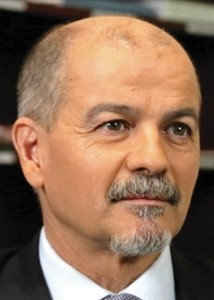
Daniel_ResascoBiog­ra­phy — Daniel E. Resas­co is a Pro­fes­sor of Chem­i­cal, Bio­log­i­cal, and Mate­ri­als Engi­neer­ing at the Uni­ver­si­ty of Okla­homa. He holds the D. Bourne endowed Chair. He received his PhD from Yale Uni­ver­si­ty in 1983. He is author of more than 200 pub­li­ca­tions and 35 indus­tri­al patents in the areas of het­ero­ge­neous catal­y­sis and car­bon nan­otubes and has received more than 8,000 cita­tions. He has been a Pres­i­den­tial Pro­fes­sor, S. Wil­son Pro­fes­sor, and in the last few years he was award­ed the Okla­homa Chemist of the Year award by the Amer­i­can Chem­i­cal Soci­ety, the Yale Sci­ence and Engi­neer­ing Asso­ci­a­tion award, and the Regents Award for Supe­ri­or Research. He is the founder of South­West Nan­otech­nolo­gies, a com­mer­cial car­bon nan­otube pro­duc­er that oper­ates in Nor­man, OK. He has been Edi­tor of the Jour­nal of Catal­y­sis, and has been a mem­ber of the edi­to­r­i­al board of Applied Catal­y­sis and Jour­nal of Catal­y­sis.

Welcome to the 2013–14 Season of the Catalysis Club of Philadelphia

Dear Col­leagues,
 
On behalf of the orga­niz­ing com­mit­tee, I would like to wel­come you to join us for the 65th sea­son of the Catal­y­sis Club of Philadel­phia. We are proud to con­tin­ue the lega­cy set forth by the orig­i­nal 7 sci­en­tists who estab­lished this club in 1949 of hold­ing meet­ings to stim­u­late dis­cus­sions among the aca­d­e­m­ic and indus­tri­al catal­y­sis sci­en­tists in the greater Philadel­phia area. We hope that you will join us by attend­ing the broad range of talks that have been arranged for this sea­son.

We are excit­ed to announce the speak­er line­up for our month­ly meet­ings that has been coor­di­nat­ed by Tor­ren Carl­son of DuPont. Fol­low­ing our tra­di­tion, the first meet­ing of the sea­son will be giv­en by the Catal­y­sis Club of Philadel­phia Awardee, Daniel Resas­co of Uni­ver­si­ty of Okla­homa, present his work on Sep­tem­ber 19th, 2013. Below is the speak­er sched­ule for the 2013–14 sea­son along with the spe­cial events that will occur through­out the year.

  • Sept. 19, 2013: Daniel Resas­co, Uni­ver­si­ty of Okla­homa — CCP Award Lec­ture
  • Oct. 24, 2013:
    • Speak­er to be announced
    • Poster Ses­sion
  • Nov. 21, 2013: Charles Camp­bell, Uni­ver­si­ty of Wash­ing­ton — NACS Bur­well Lec­ture
  • Jan. 23, 2014: Chris Jones, Geor­gia Tech — NAM Emmett Awardee
  • Feb. 20, 2014:
    • Paul Dauen­hauer, U. Mass.
    • Offi­cer Nom­i­na­tions
  • March 20, 2014: Simon Pod­kolzin, Stevens Inst.
  • April 10, 2014:
    • Robert Schlögl, Fritz Haber
    • Offi­cer Elec­tions
  • May 2014: CCP Spring Sym­po­sium

Our annu­al stu­dent poster com­pe­ti­tion will take place in Octo­ber and will be coor­di­nat­ed by Ale­jan­dra Rivas-Car­dona of John­son Matthey. The poster ses­sion pro­vides a great oppor­tu­ni­ty for local grad­u­ate stu­dents to present their work to a broad catal­y­sis audi­ence and for com­pa­nies to look for poten­tial can­di­dates. The nom­i­na­tions of CCP offi­cers for the 2014–15 sea­son will take place in Feb­ru­ary with elec­tions sched­uled for April. Vladimiros Niko­lakis of Uni­ver­si­ty of Delaware will orga­nize the CCP Spring Sym­po­sium in May 2014. We will also con­tin­ue the tra­di­tion of hav­ing brief pre­sen­ta­tions by a local grad­u­ate stu­dent pri­or to the main lec­ture at some of the month­ly meet­ings.

The month­ly meet­ings will con­tin­ue to be held at the Dou­ble­tree Hotel on US-202 in Wilm­ing­ton, DE. The cost of the din­ner will remain at $35.00 for mem­bers, $20.00 for students/retirees and will include one drink dur­ing the social hour. The fees for walk-ins and non-mem­bers will be $40.00. We strong­ly encour­age advance reser­va­tions for the meet­ings. Dues for the 2013–14 sea­son will remain at $25.00 ($5.00 for the local club and $20.00 to the nation­al club). Dues for stu­dents, post­docs and retirees will be $15.00 ($5.00 for the local club and $10.00 to the nation­al club).

You can receive our lat­est infor­ma­tion and news through our web­site at catal​y​sis​clubphilly​.org, through LinkedIn, and also Face­book. While you can still work with your com­pa­ny rep­re­sen­ta­tive, we would like to strong­ly encour­age you to try our online reg­is­tra­tion form or con­tact our arrange­ments chair, Jacob Wein­er, direct­ly.

If you would like to receive our month­ly announce­ments or need to update your con­tact infor­ma­tion, please con­tact our Mem­ber­ship Direc­tor, Yaritza Lopez of John­son Matthey (lopezym@​jmusa.​com).

The strength of our club has always revolved around our gen­er­ous indus­tri­al spon­sors and mem­bers of our month­ly meet­ings. Please con­tin­ue to sup­port CCP by attend­ing the meet­ings and by invit­ing your col­leagues. I am look­ing for­ward to see­ing you all on Sep­tem­ber 19 to start off anoth­er great sea­son. Please also feel free to con­tact me or the oth­er offi­cers through­out the sea­son with any com­ments or sug­ges­tions for how we can improve the club.
 
Best regards,
 
Carl Men­ning
Chair
302–695-3289
Carl.​A.​Menning@​usa.​dupont.​com

2013 Annual Student Poster Competition

This is the first call for posters for the Catal­y­sis Club of Philadelphia’s annu­al Stu­dent Poster Con­test to be held Thurs­day, Octo­ber 24th, 2013 at the Dou­ble Tree Hotel, 4727 Con­cord Pike (Rt. 202) in Wilm­ing­ton, DE. To enter, please sub­mit a short abstract of your pro­posed entry before Octo­ber 4th, 2013, to Ale­jan­dra Rivas at rivasa01@​jmusa.​com.

The com­pe­ti­tion is restrict­ed to grad­u­ate stu­dents only. Post-docs are wel­come to present their posters but are not eli­gi­ble for prizes. All poster pre­sen­ters should be list­ed as the first author, and will be guests of the Catal­y­sis Club for the evening. As in past years Catal­y­sis Club mem­bers and guests will cast their votes for favorite poster and a pan­el of indus­tri­al judges will select the 5 best posters from the top 10 posters. Total prizes award of $550 will be dis­trib­uted between the win­ners, $150 will go to the over­all win­ner and $100 each to the 4 oth­er win­ners. The one over­all win­ner will be invit­ed to present his or her work at the annu­al Catal­y­sis Club sym­po­sium in Spring 2014.

The Catal­y­sis Club of Philadel­phia is very proud of this event and views it as one of the region’s pre­mier oppor­tu­ni­ties for grad­u­ate stu­dents to show­case their work with the local chem­i­cal indus­try pro­fes­sion­als. All grad­u­ate stu­dents whose work is either direct­ly or indi­rect­ly relat­ed to catal­y­sis sci­ence and tech­nol­o­gy are encour­aged to sub­mit entries.